


The Soul of Travel Blogging Is Human Why AI Shouldn’t Replace It
By The Cajun Traveler
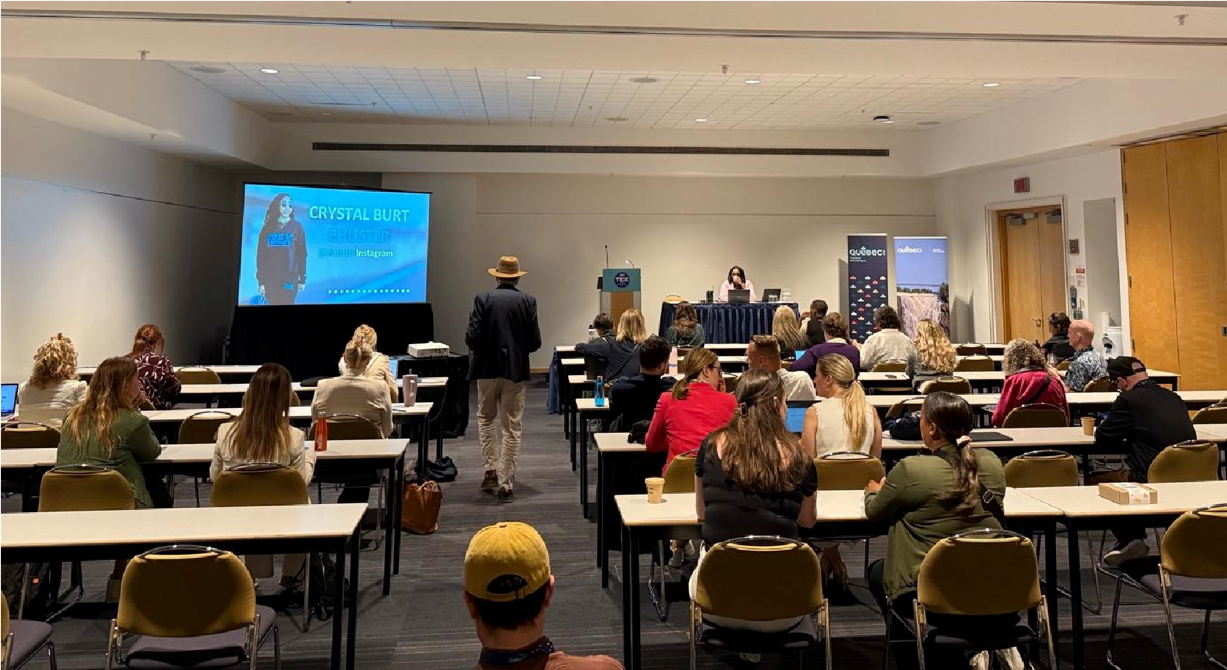
This year at TBEX Quebec, I attended the talk by Crystal Burt (@ehustlr), titled “Enhance Your Travel Content with AI.”
Crystal Burt is a digital entrepreneur and AI educator specializing in AI-generated content creation, digital products, and monetization strategies. As the founder of Ehustlr LLC, she teaches creators and entrepreneurs how to leverage AI to scale their businesses, generate passive income, and build digital empires.
I’ve met thousands of enthusiastic creators, walked the hallways of ten TBEX conferences, and seen the evolution from manual WordPress websites to viral Tiktok videos. However, there was a disturbing incident in Quebec City this year that caused me to pause and consider whether we are allowing AI to reduce the essence of travel blogging.
The Session?
Crystal Burt (@ehustlr): “Enhance Your Travel Content with AI.”
What it turned out to be was something entirely different: a live blueprint for how to create a digital clone of yourself to fake luxury travel experiences without ever leaving home.
Yes, she called it innovation. But for many of us in the room, it felt like erosion.
I had the chance to speak with her briefly after the session, and she was very unapologetic and confident about what she was doing.
AI Clones: Cool Tech, Wrong Purpose
Crystal’s AI avatar appeared sipping champagne on a private jet, posing in Santorini, and lounging in cafes around the world, places she later admitted she had never visited.
That moment split the room.
A few people left the room quietly during the session. Crystal also asked the audience how to pronounce “Santorini,” which stood out given the context. One attendee then asked her, “How many of these places have you actually been to?” Her answer was simple: “None of them.” Her parents were present, and she mentioned feeling very nervous, possibly one of the reasons she chose to remain seated rather than speak from the podium.
Before I asked my own question during the session, I told the room:
“I’m not on either side of this yet, I’ve actually been recording this whole presentation with ChatGPT”
Some curiously leaned in. Others, including myself, were really uncomfortable. The fact is, if you haven’t been lost in a Tokyo backstreet, stood in the bustling spice markets of Marrakech, or felt the chill of a Norwegian fjord, what exactly are you “blogging” about?
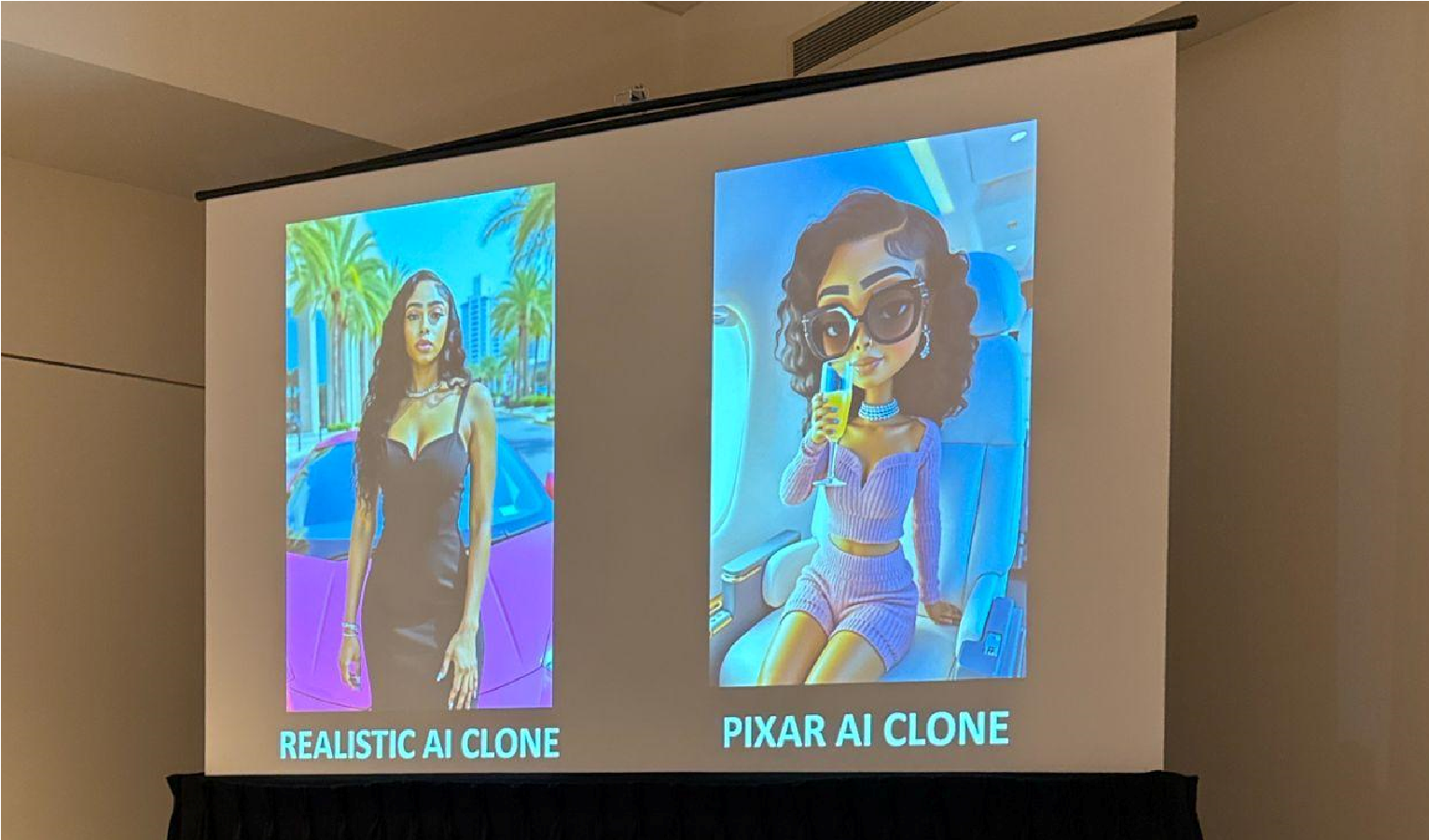
Travel isn’t curated perfection. It’s jet lag, wrong turns, spontaneous moments, and raw emotion, the kind you only get when you’re actually there.
The Rise of AI Is the Fall of Authenticity
Crystal showed us how to create an AI clone using tools like Flux AI and KREA.AI. She explained her five-part prompt system: Person, Posture, Place, Vibe, and Detail. The result? “A woman of color striking a pose in the middle of Times Square.”
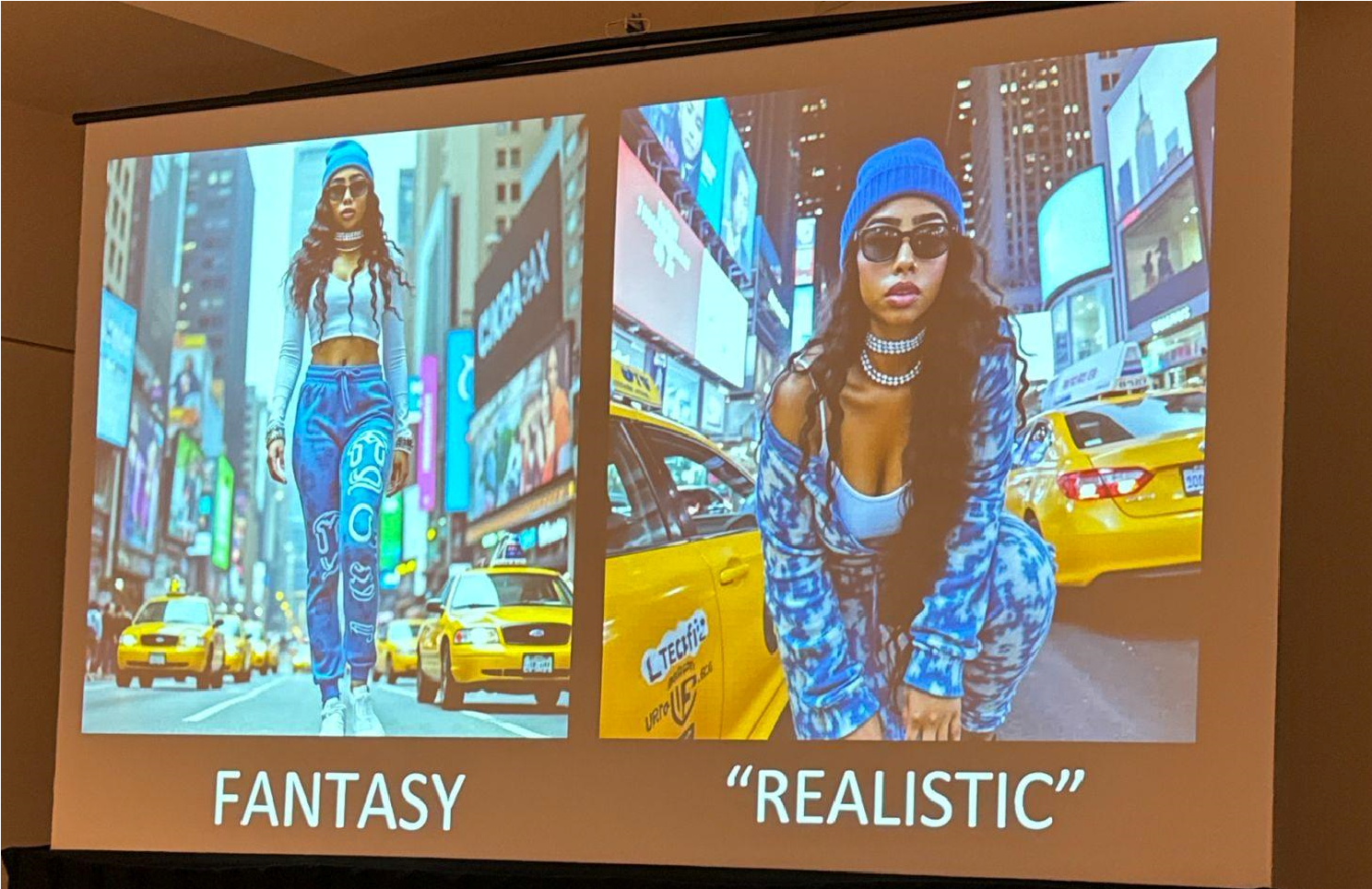
Yes, the image looked stunning. But what it lacked was truth. No background noises of Times Square or real story to tell. No memory of the culture shocks, the New York’s $1 pizza or the moment she explored the shops at 5th Avenue. And that’s the danger: AI makes it easy to replace reality with fake stories. And the more we reward fake visuals over lived narratives, the more we train our audiences to value fantasy over reality.
From Creator to Content Factory
Crystal isn’t hiding her motives, instead she’s monetizing this hard.
She sells:
- AI-generated travel shots to hotels and brands.
- Custom avatars for influencers.
- Branded templates on Etsy.
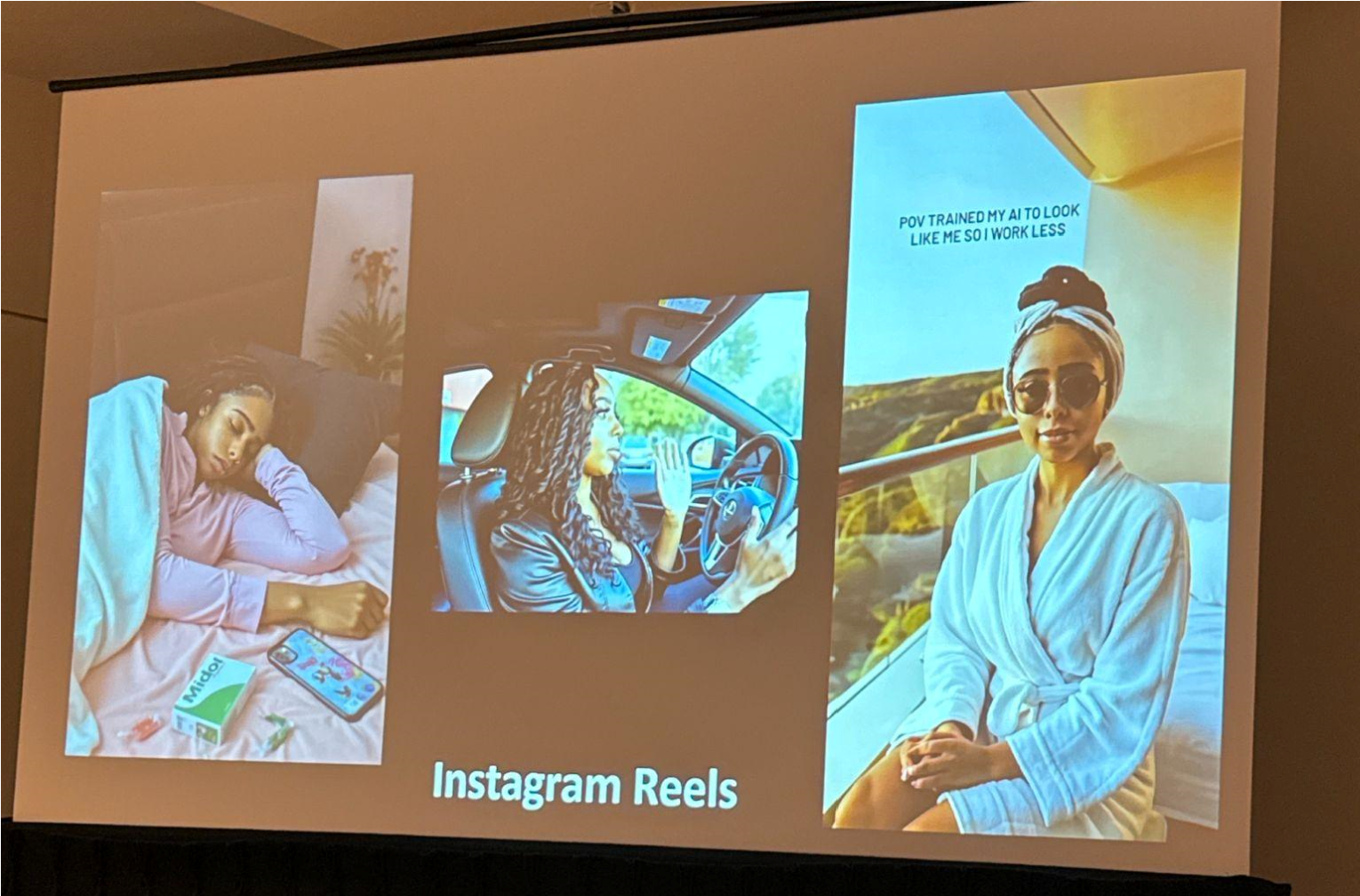
- Affiliate content using an AI twin to “wear” and “use” products.
All while staying in bed.
It’s efficient. It’s scalable. But is it creative? Is it ethical? Is it travel blogging? Or are we turning human storytelling into algorithm-fed illusion?
What’s at Stake: Trust and the Traveler’s Heart
According to proponents of AI, “it’s just a tool.” But that tool is now shaping perception, behavior, and identity in the travelling field. If creators stop experiencing the world firsthand, and AI becomes the standard for travel content, we lose something vital: trust.
And let’s be honest that once trust is gone, so is the value of what we share. People won’t know whether that sunrise over Machu Picchu was real or rendered. Whether that recommendation for a mom-and-pop cafe came from taste buds or pixels.
We risk becoming walking billboards for places we’ve never touched, seen, or felt.
What Kind of Creators Will We Be in 2026?
Crystal said AI “frees us up” to focus on strategy, engagement, and money. But is that what brought us to travel blogging? Was it ever about outsourcing the journey to a clone?
I don’t think so.
I believe we come to this space to connect with people, places, and stories. Because we believe our distinct viewpoints are important, and because we have travelled the journey and wish to bring others along.
That is why I am not embracing the AI clone revolution. Not because I fear change, but because I feel the human voice in travel is still important. Let’s not waste it chasing perfect pixels and mechanised storytelling.
Let’s Choose Real
As we move forward, the challenge isn’t whether we can use AI.
It’s whether we should and how much we’re willing to give up to gain speed and scale. Let’s not let convenience crush authenticity because no matter how advanced our tools become, the most powerful part of travel blogging is and always will be YOU.
Special thanks to Tomiko Harvey and the TBEX team for inviting Crystal to speak and for having the courage to include this kind of conversation in the program. It sparked important reflection, and whether you agreed with the message or not, it challenged us to think deeply about where the industry is heading.
For more insights on travel, tech, and the evolving creator landscape including honest takes from TBEX and beyond, subscribe to TheCajunTraveler.net and join a community of travelers who still believe in authenticity.
 Follow my blog with Bloglovin
2 Responses
Toby, thank you for sharing your experience in this session at TBEX, your reflections, and the humane way with which you presented your thoughts. These are bizarre times we’re in, as a society and within our industry. As a writer, as a blogger, and as a person, it heartens me to hear voices like yours in our space who value the lived human experience online.
Hi Tara,
Thank you sincerely for your thoughtful comment. I’m truly grateful that my reflections resonated with you. Indeed, we are navigating extraordinary times both as individuals and as members of a rapidly evolving industry. More than ever, I believe it’s essential to preserve empathy, authenticity, and respect for the lived human experience in the stories we share and the conversations we engage in.
Your words serve as a wonderful reminder of why our community matters because it’s built on shared values and genuine connection. Thank you for being part of that dialogue.