


If you want to learn how to cut a deal and earn as a travel creator, check out this blog post
A Professional Guide to Capturing, Editing, and Delivering Hotel Content That Impresses Clients
Presented with insights from Todd Hata (Instagram @toddhata)
Capturing Hotel Content Like a Pro: Insights from TBEX Donegal
At TBEX Donegal, I attended an enlightening session focused on creating professional, hotel-ready photo and video content. The discussion highlighted the expectations of hotel brands and the level of storytelling travel creators must deliver to stand out. For any content creator, influencer, or brand partner in the hospitality industry, this knowledge is essential not just for producing beautiful visuals, but for positioning yourself as a trusted creative collaborator.
In this guide, I’ve compiled my detailed notes, presentation insights, and practical advice from real-world hotel collaborations. Whether you’re shooting for a boutique resort or a luxury hotel chain, these tips will help you plan, capture, and deliver high-quality content that impresses clients and attracts new opportunities.
Essential Equipment for Capturing Professional Content
The foundation of professional-quality hotel content lies in using the right tools. Hotels expect crisp, cinematic imagery that highlights the property’s experience, not just its appearance. Each scene has a purpose, and choosing the right gear ensures your content delivers the intended mood and quality.
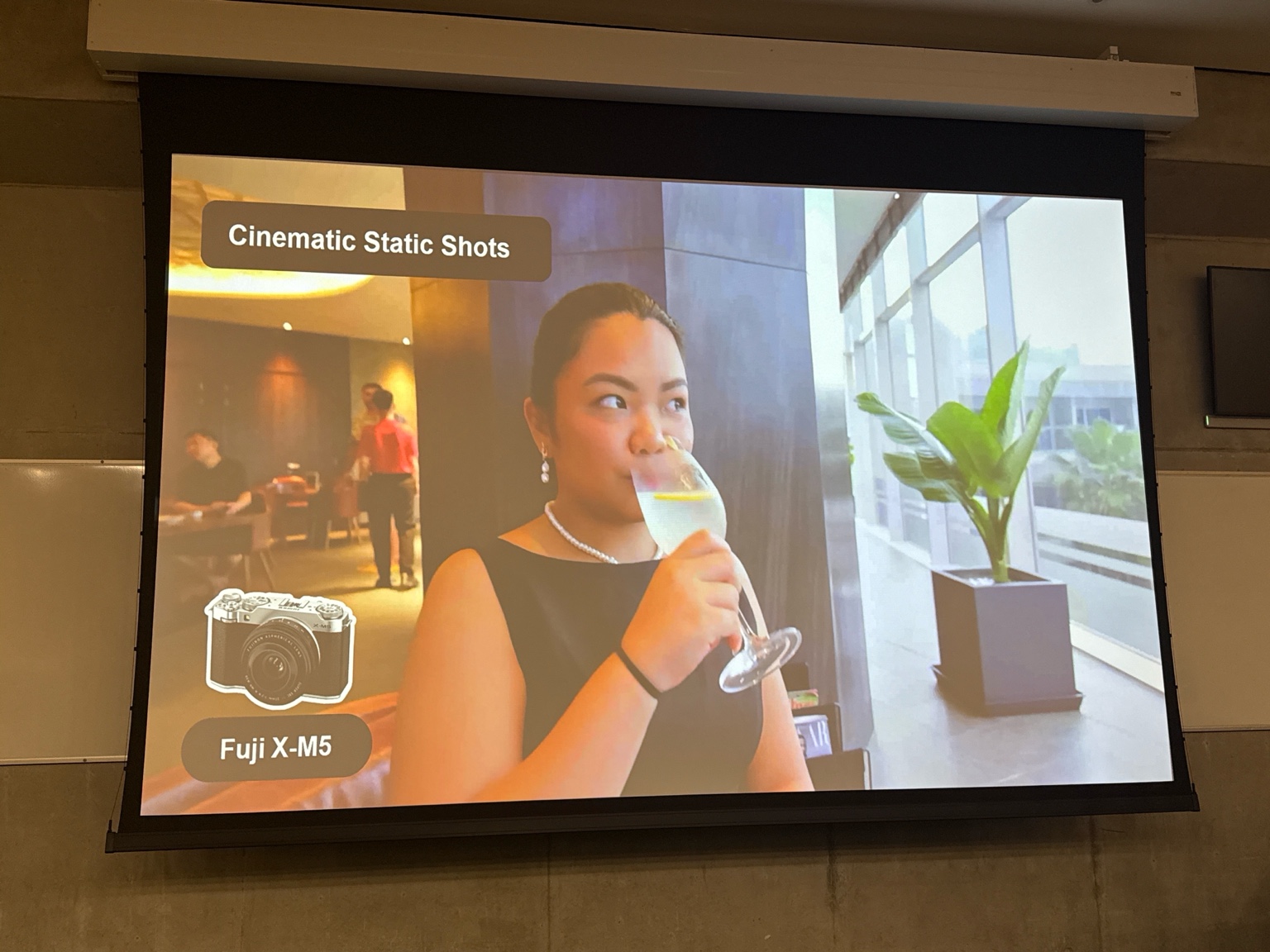
Cinematic Static Shots
Best Tool: Fuji X-M5
Ideal for capturing rich, still shots with depth and texture. These are perfect for showing the elegance of interiors, the symmetry of architectural details, or serene moments such as a sunrise view from a balcony.
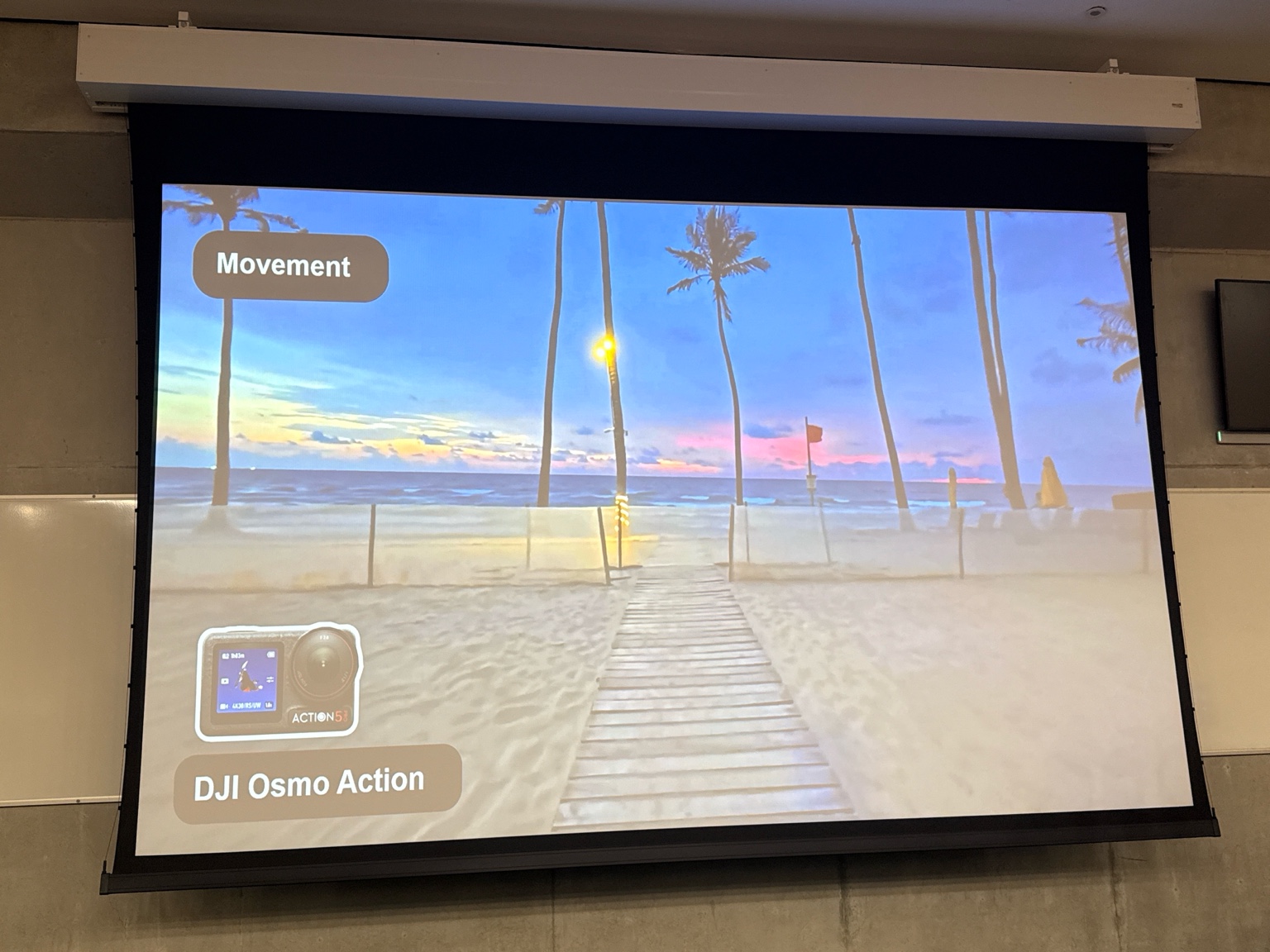
Movement Shots
Best Tool: DJI Osmo Action
Great for smooth, stabilized clips that convey flow and energy such as walking through a hallway, opening doors, or exploring outdoor amenities. Smooth camera movement enhances the viewer’s sense of immersion.
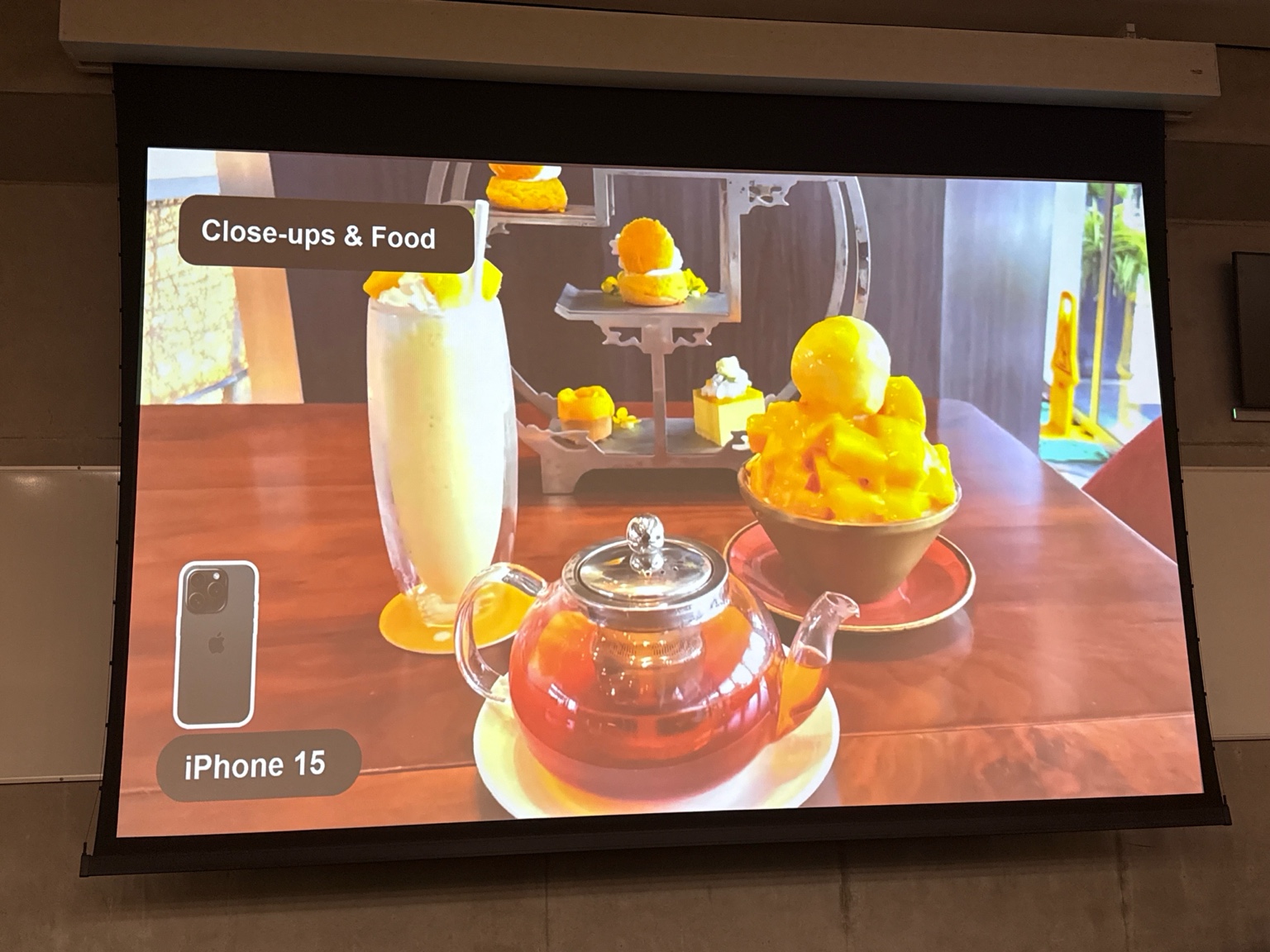
Close-Ups & Food Photography
Best Tool: iPhone 15
With advanced computational photography, modern smartphones can capture sharp detail shots, especially for plated dishes, room amenities, and decorative elements. Always shoot in RAW or Pro mode for post-editing flexibility.
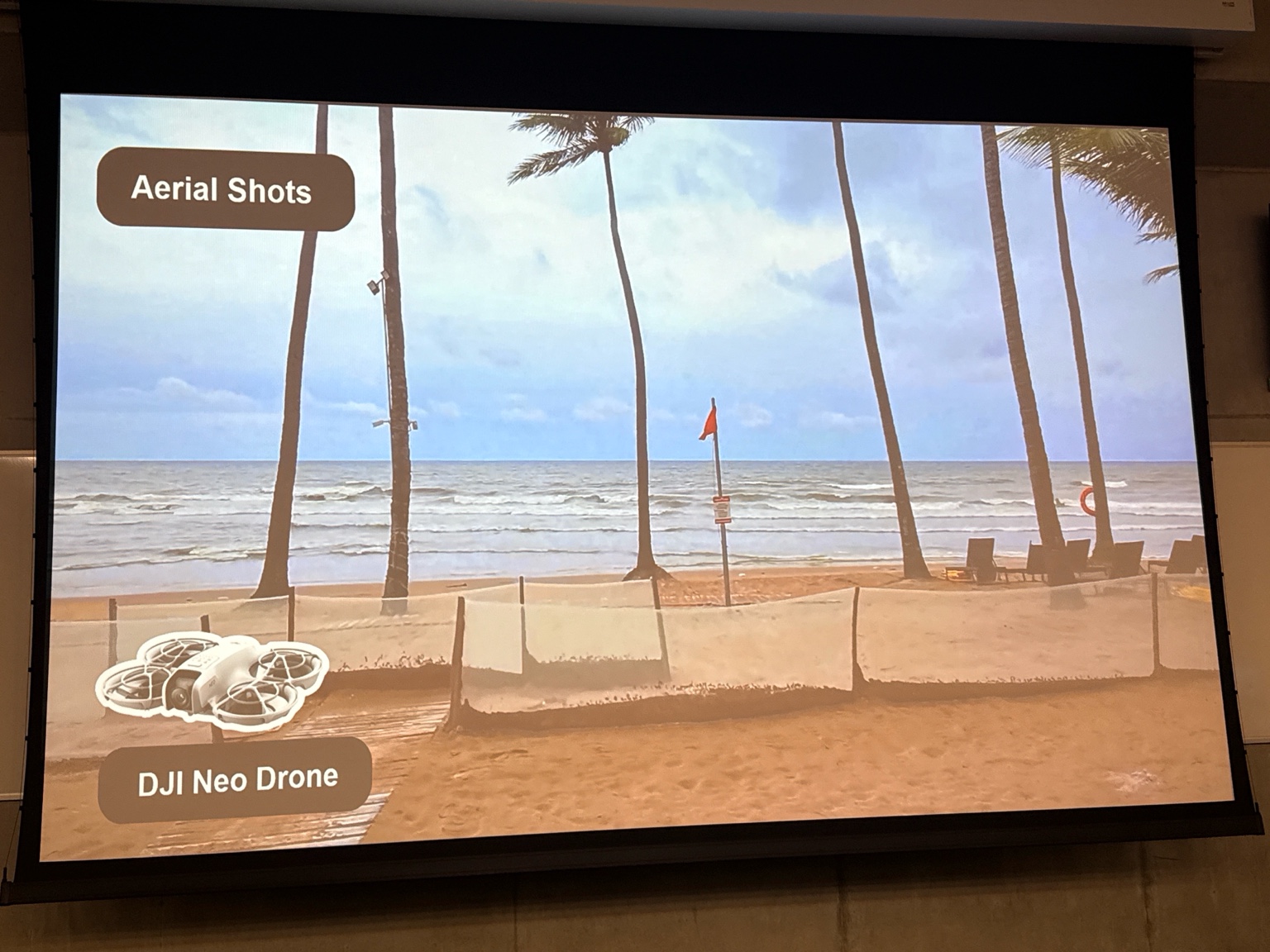
Aerial Shots
Best Tool: DJI Neo Drone
Drone footage gives viewers a unique perspective of the property and surroundings. Use aerial shots to introduce the location, showcase the scale of the property, or create cinematic transitions between scenes.
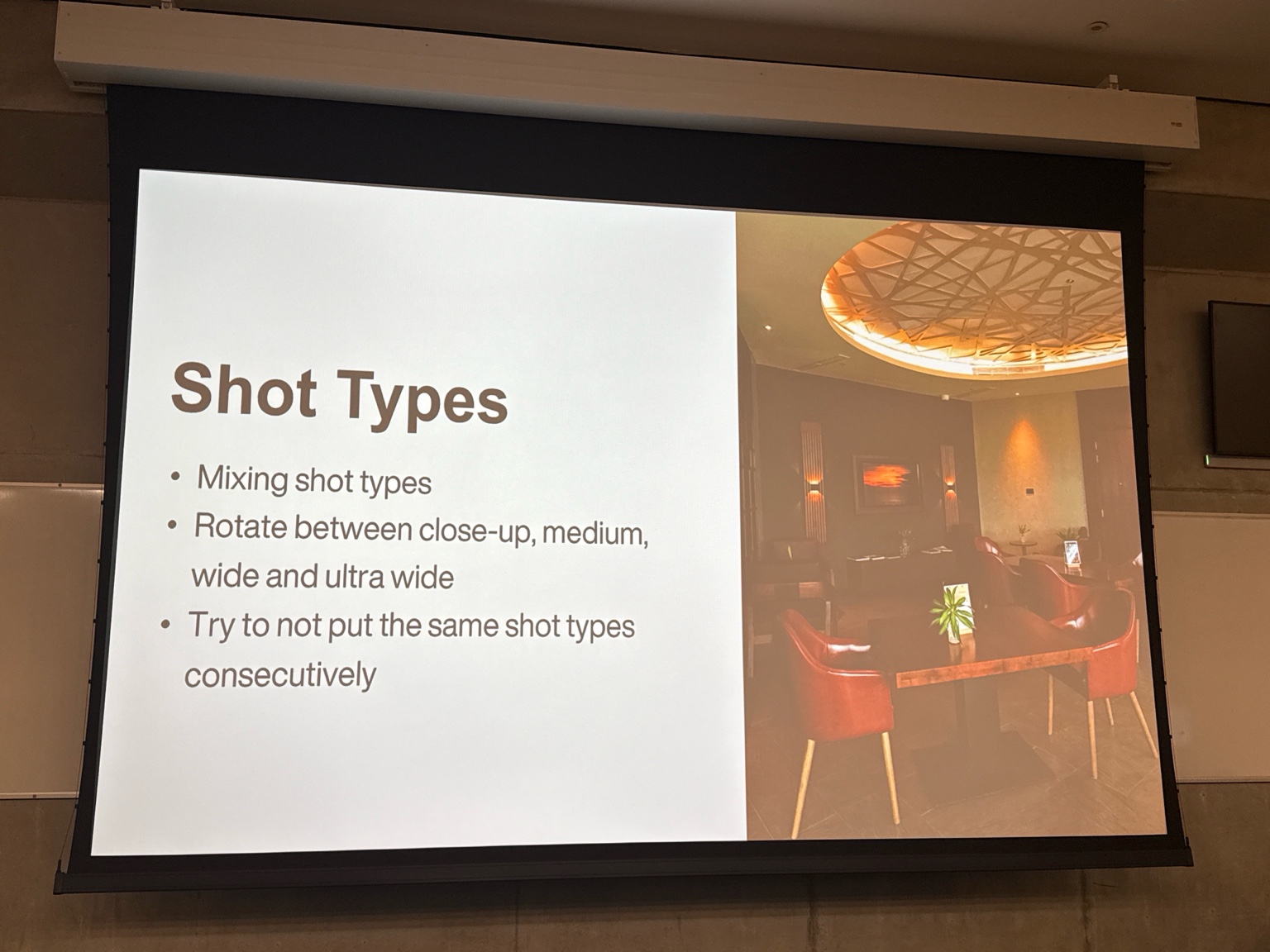
Shot Variety: Keep Your Story Visually Engaging
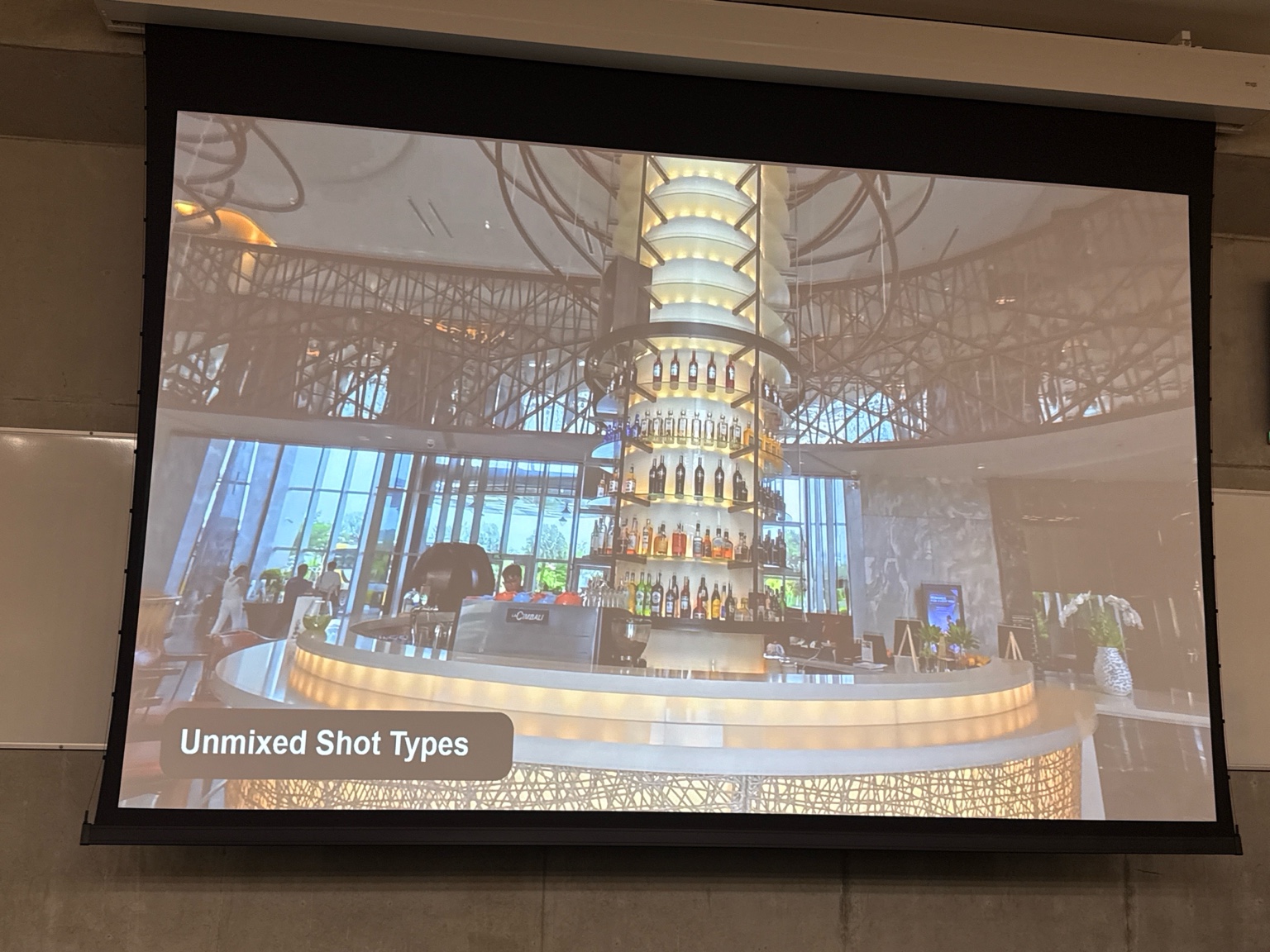
Visual storytelling thrives on variety. Rotate between close-up, medium, wide, and ultra-wide shots to create rhythm and maintain audience interest. Avoid repeating the same framing in consecutive clips; instead, alternate between perspectives to capture both the experience and environment.
A well-balanced video often includes:
- Wide shots for context and space
- Medium shots for human connection
- Close-ups for texture and intimacy
- Detail shots for brand storytelling
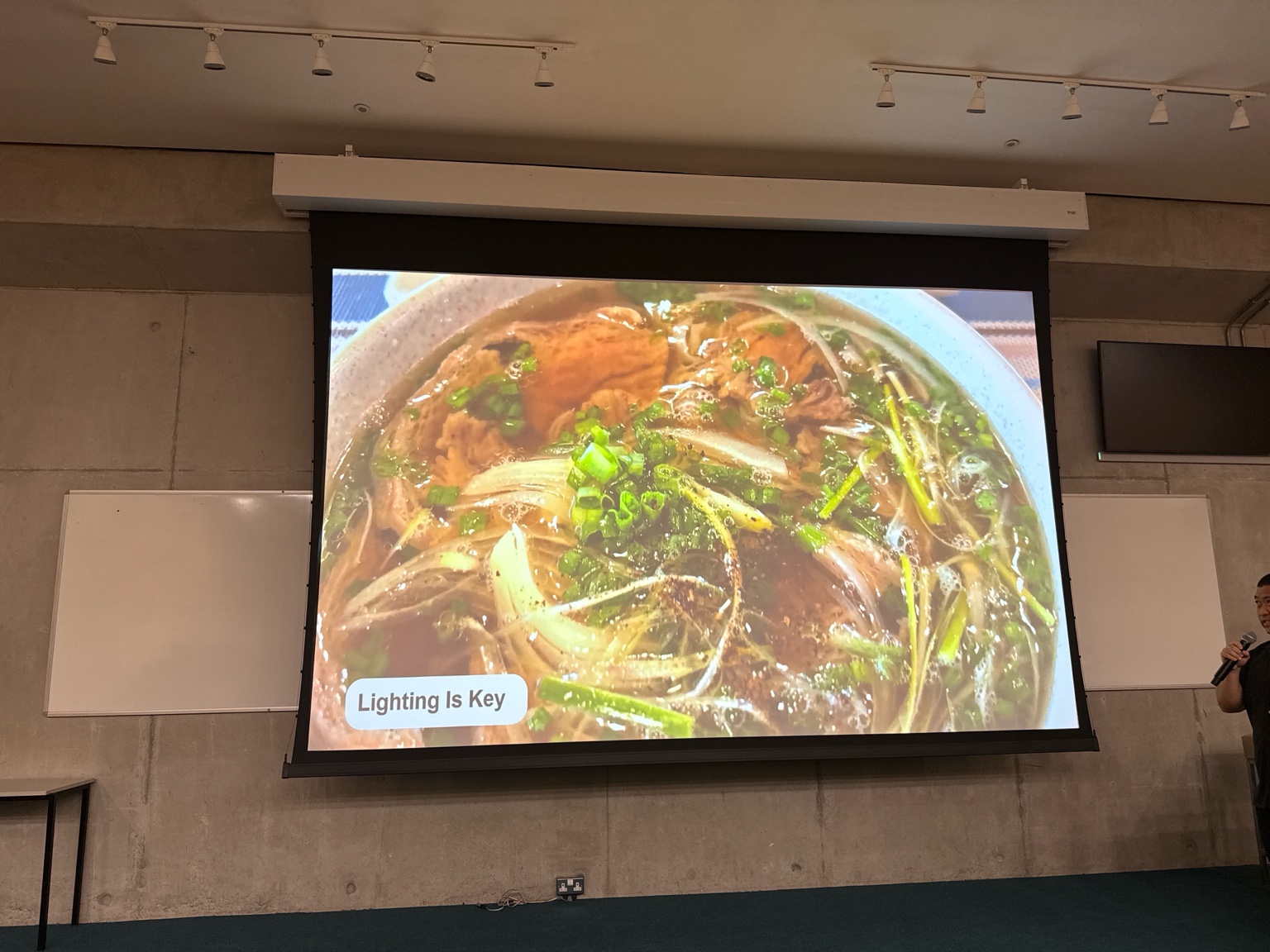
Lighting is Everything
Lighting can transform average footage into cinematic gold. Natural light is your strongest ally especially during golden hour (sunrise and pre-sunset). Soft, diffused light flatters interiors, eliminates harsh shadows, and enhances color tones.
Pro Tips:
- For indoor shoots, open curtains fully to let daylight in.
- Avoid shooting under mixed lighting (like tungsten + daylight).
- Carry a small LED panel or reflector for supplemental lighting when natural light isn’t enough.
- Always preview your shot on camera before recording to check exposure and color balance.
Practical Shooting Tips
Professionalism shows in the details. The following practices separate polished creators from amateurs:
- Avoid shaky footage: Use tripods, gimbals, or in-body stabilization.
- Skip selfies: Focus on lifestyle storytelling show people experiencing the space, not just posing in it.
- Capture in multiple orientations: Shoot landscape, portrait, and vertical clips for multi-platform delivery.
- Think creatively: Try reflections, mirrors, overhead angles, and motion transitions.
- Hide personal items: Ensure bags, clothes, and clutter are never visible in the shot.
- Shoot more than you need: Capture establishing shots, B-roll, and filler clips you’ll thank yourself during editing.
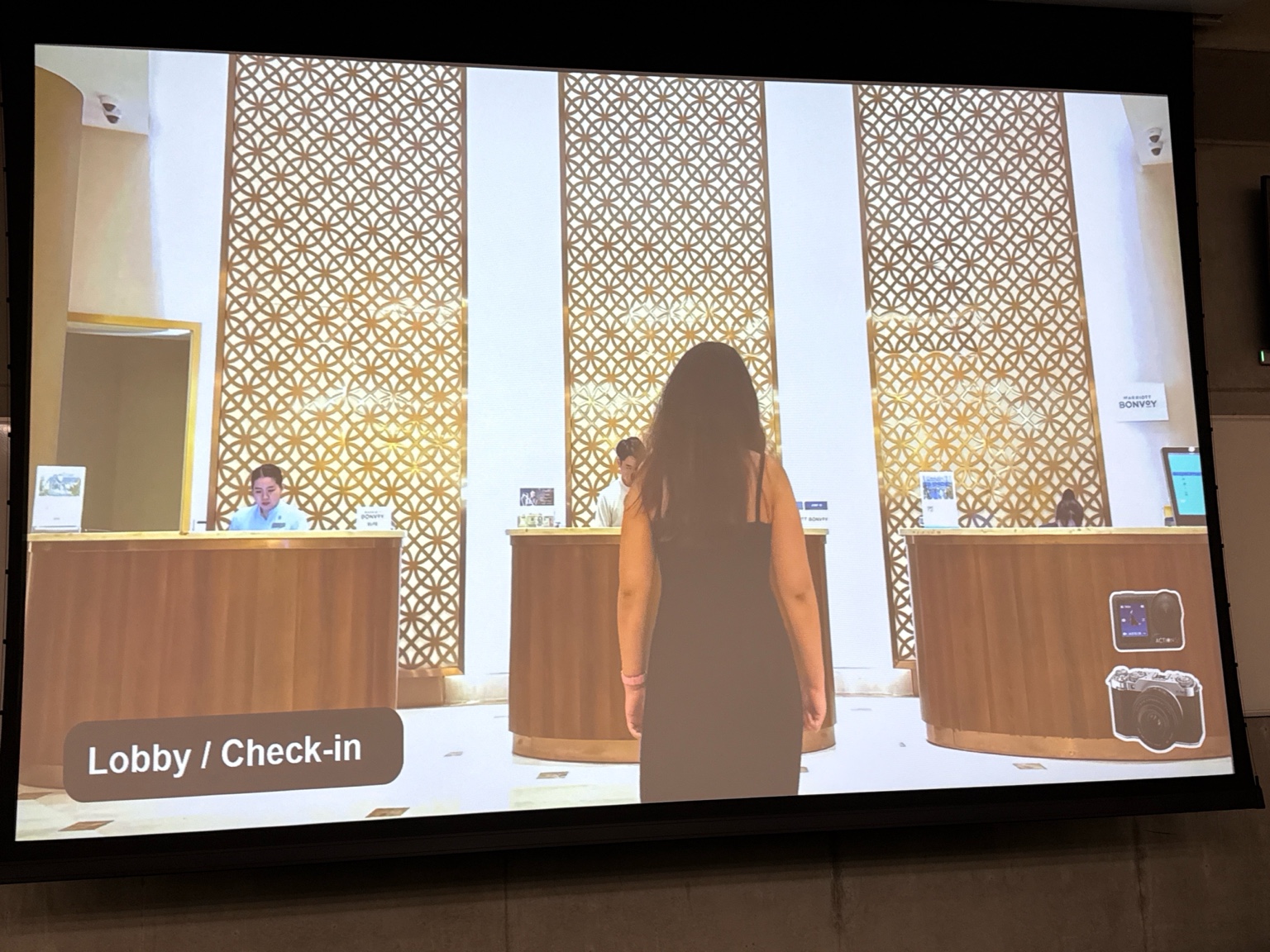
Key Shots to Capture
Each property has distinct spaces and experiences to showcase. Plan your shot list in advance and tailor it to the client’s marketing goals.
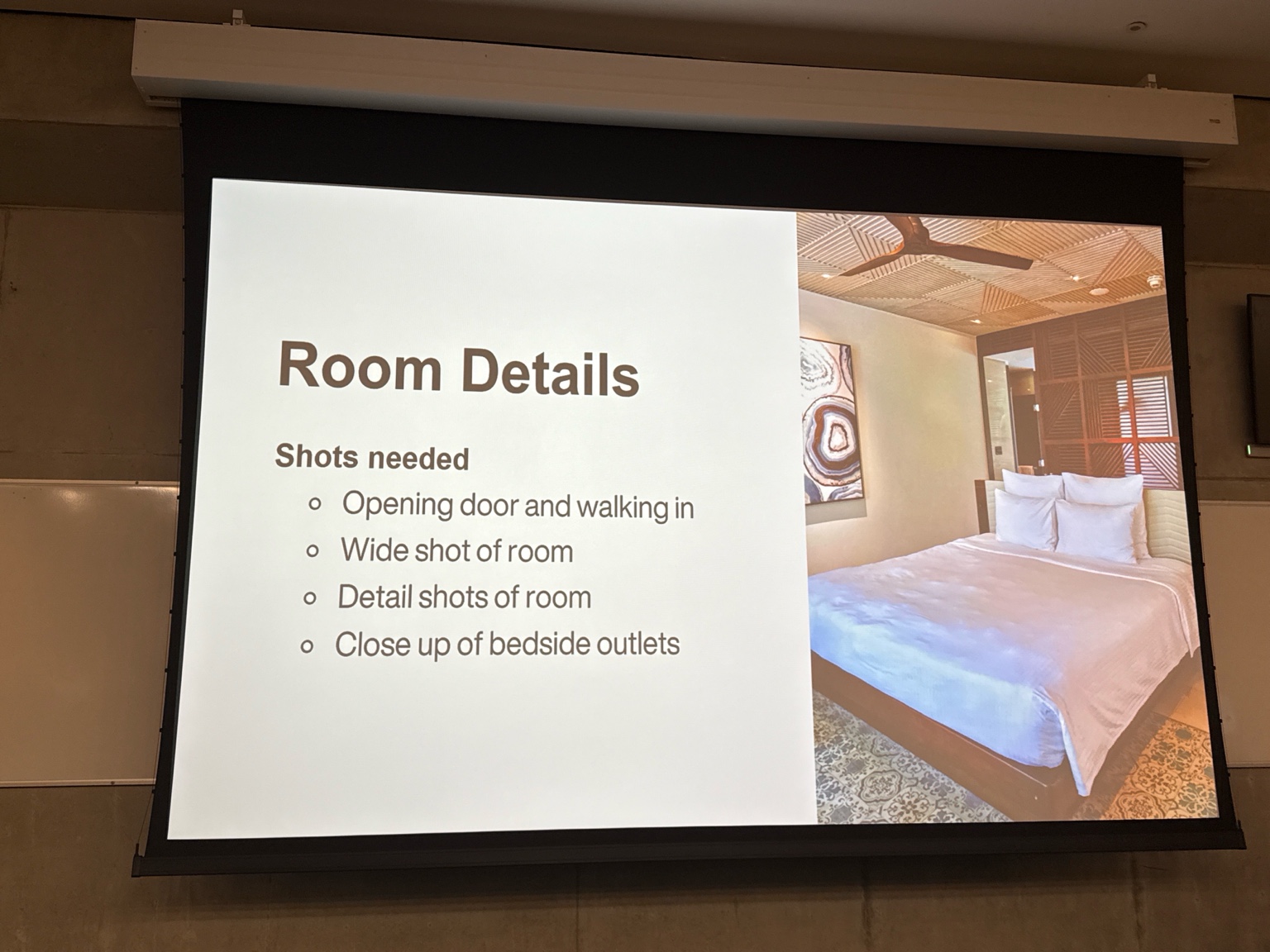
Room Details
- Opening the door and walking in (establishing perspective)
- Wide shots showing layout and space
- Close-ups of beds, textures, lighting fixtures, and decor
- Detail shots of outlets, amenities, and branding touches
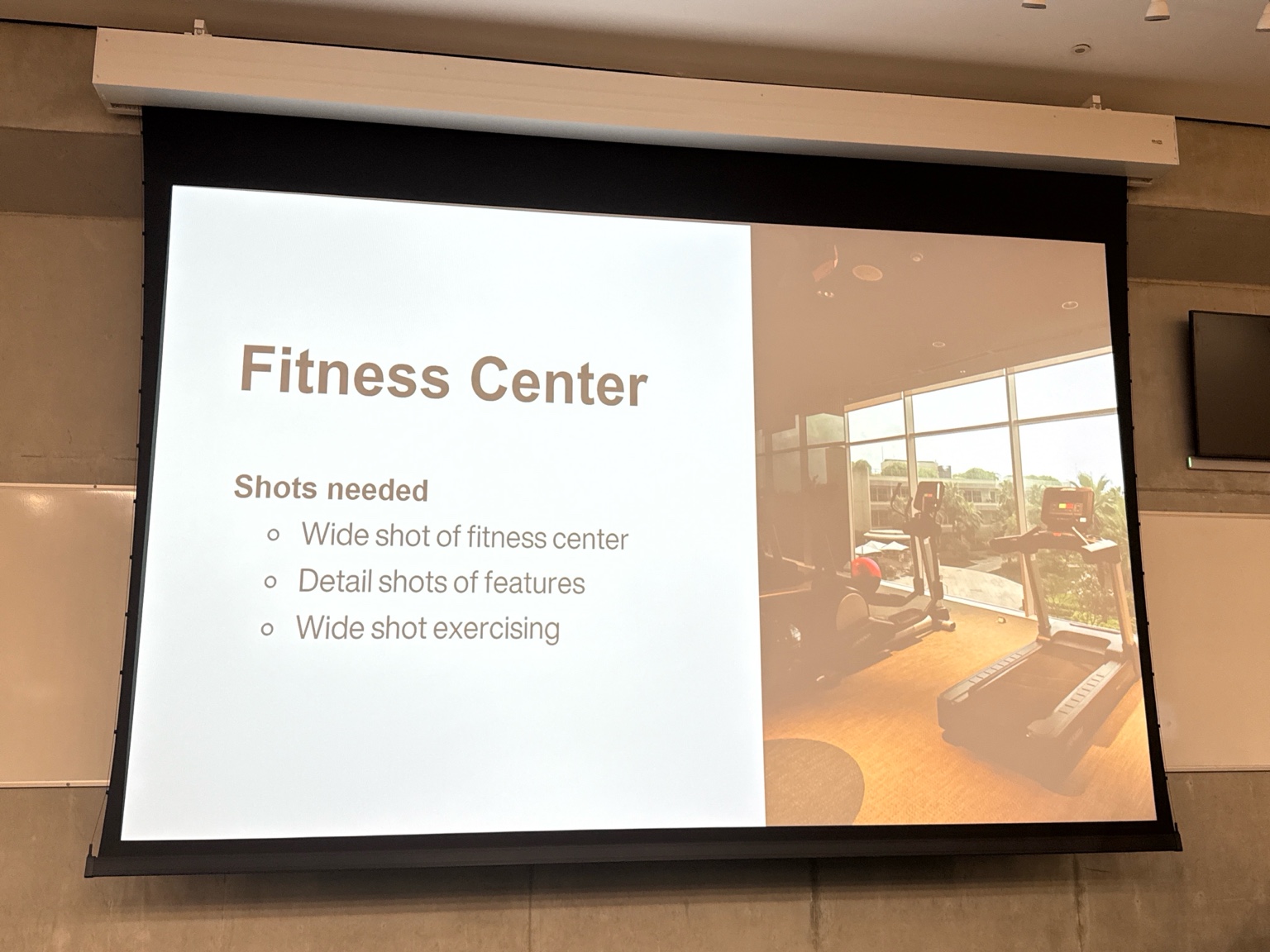
Fitness Center
- Wide shots of the gym layout
- Mid shots of key equipment and design
- Dynamic shots of someone using the equipment
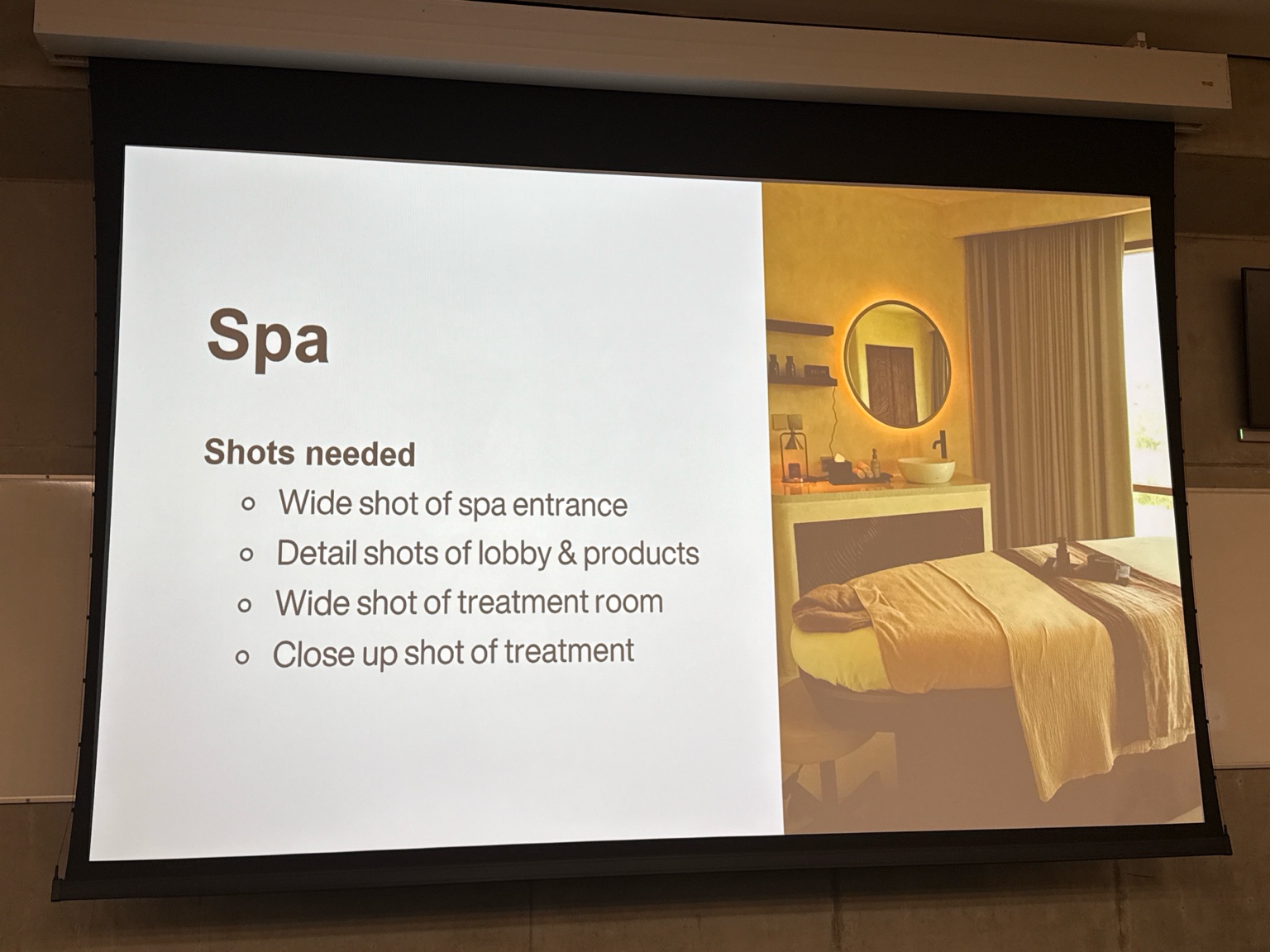
Spa and Wellness Areas
- Wide shot of spa entrance or lobby
- Close-ups of oils, towels, and décor
- Wide shot of treatment room setup
- Detail shots of the treatment process (with consent)
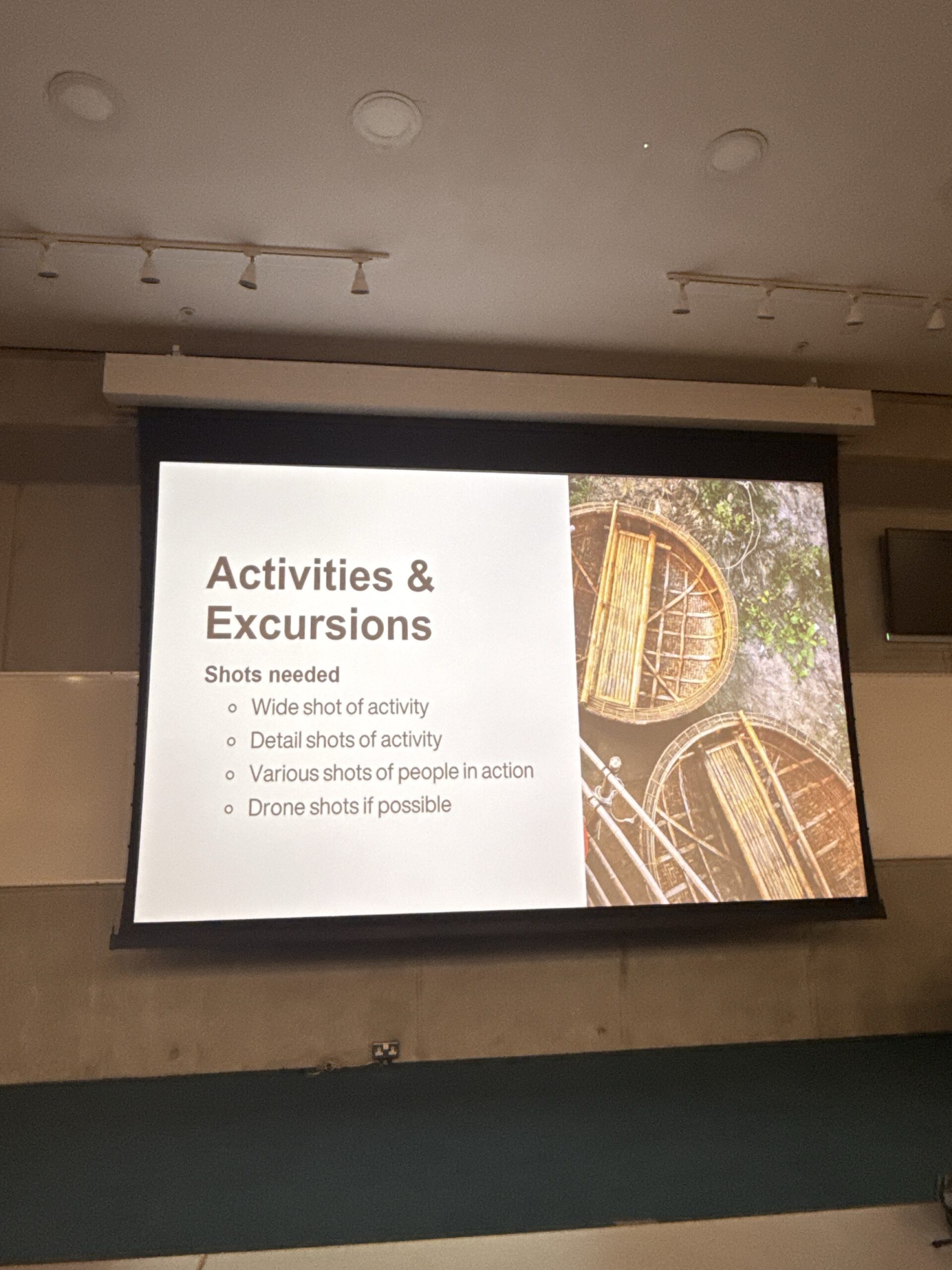
Activities & Excursions
- Establishing drone or wide landscape shots
- Mid shots of people in action
- Detail shots capturing the emotion and experience
- Natural transitions (movement, laughter, water splash, etc.)
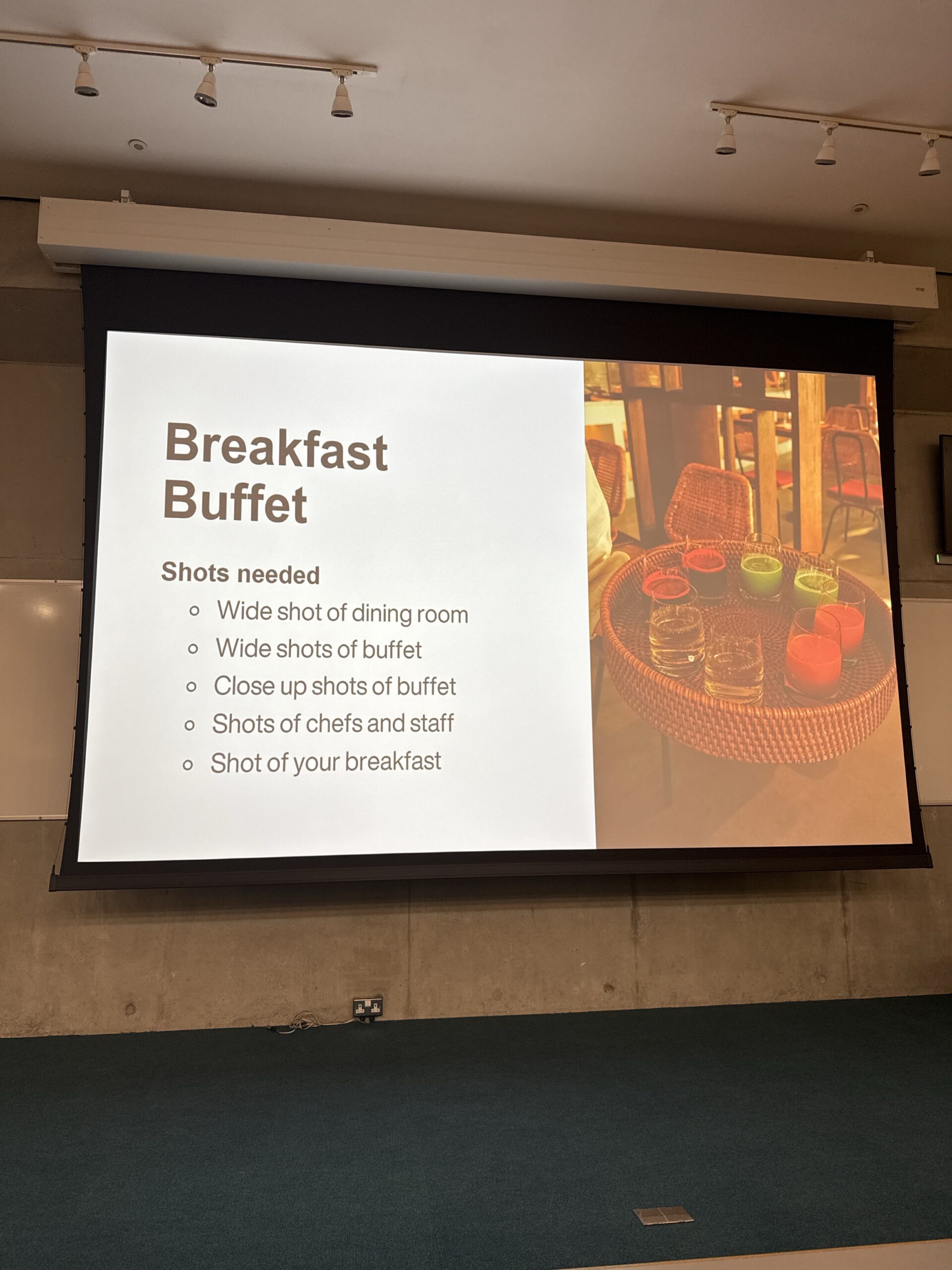
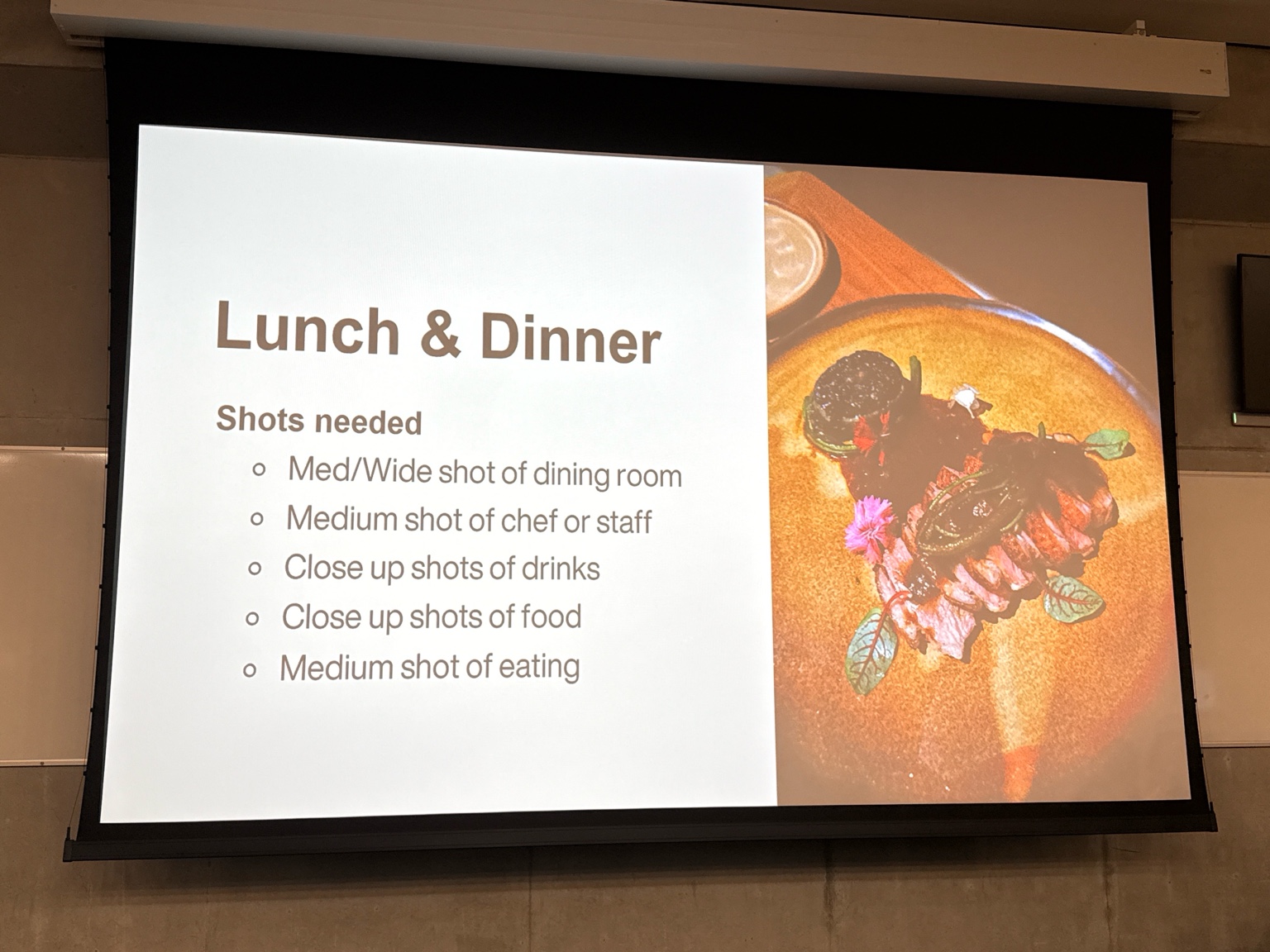
Dining and Culinary Scenes
- Wide shots of dining room or outdoor setup
- Medium shots of buffets or service moments
- Close-ups of plated dishes and textures
- Behind-the-scenes moments with chefs or staff
- Personal plated shot or lifestyle moment at the table
Editing Tools That Deliver Professional Results
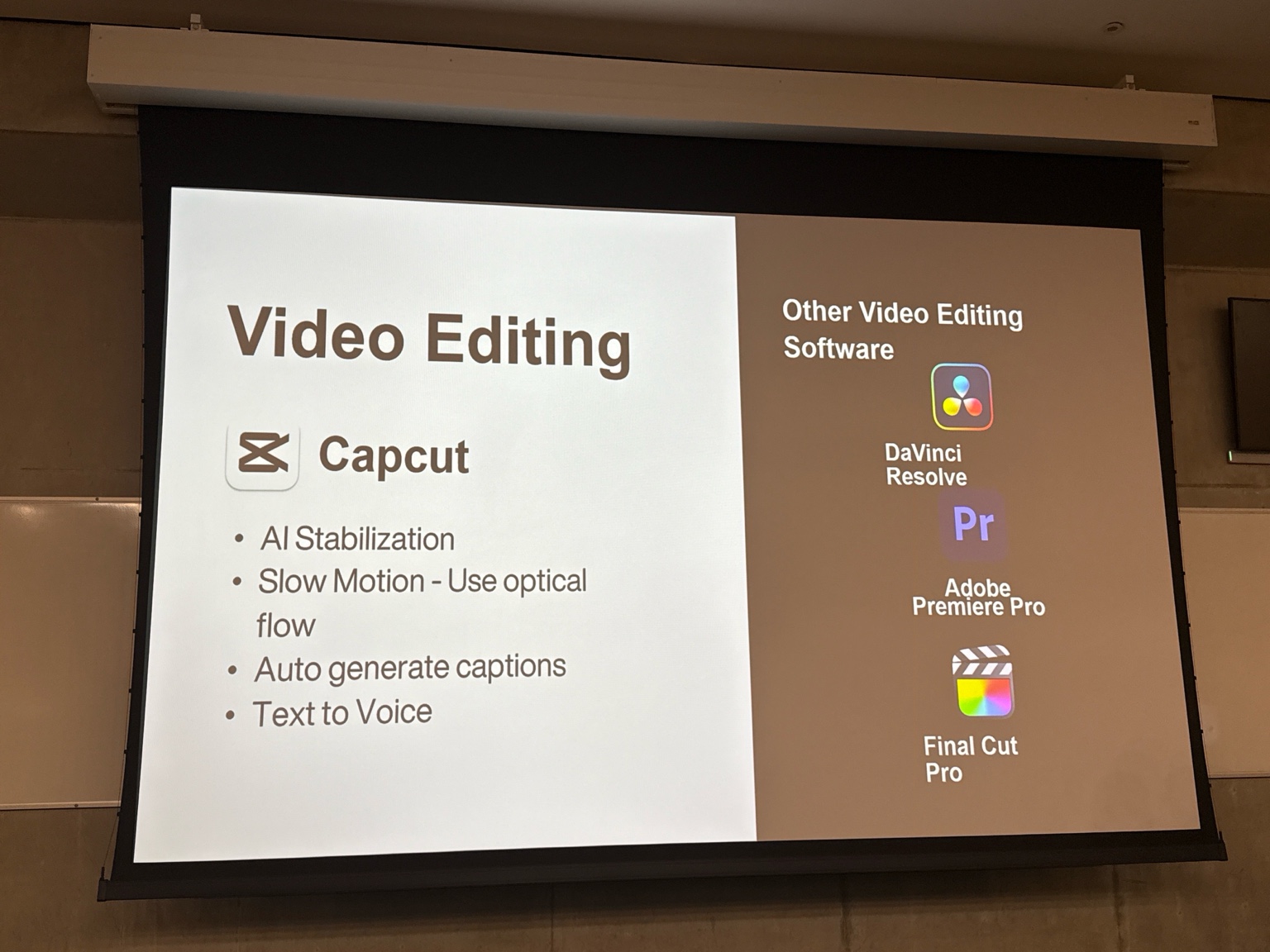
Editing is where your footage becomes a cohesive narrative. Clean, color-balanced visuals and smooth pacing communicate professionalism.
- Video Editing: CapCut for desktop offers strong AI tools for stabilization, auto-cuts, and intelligent music syncing.
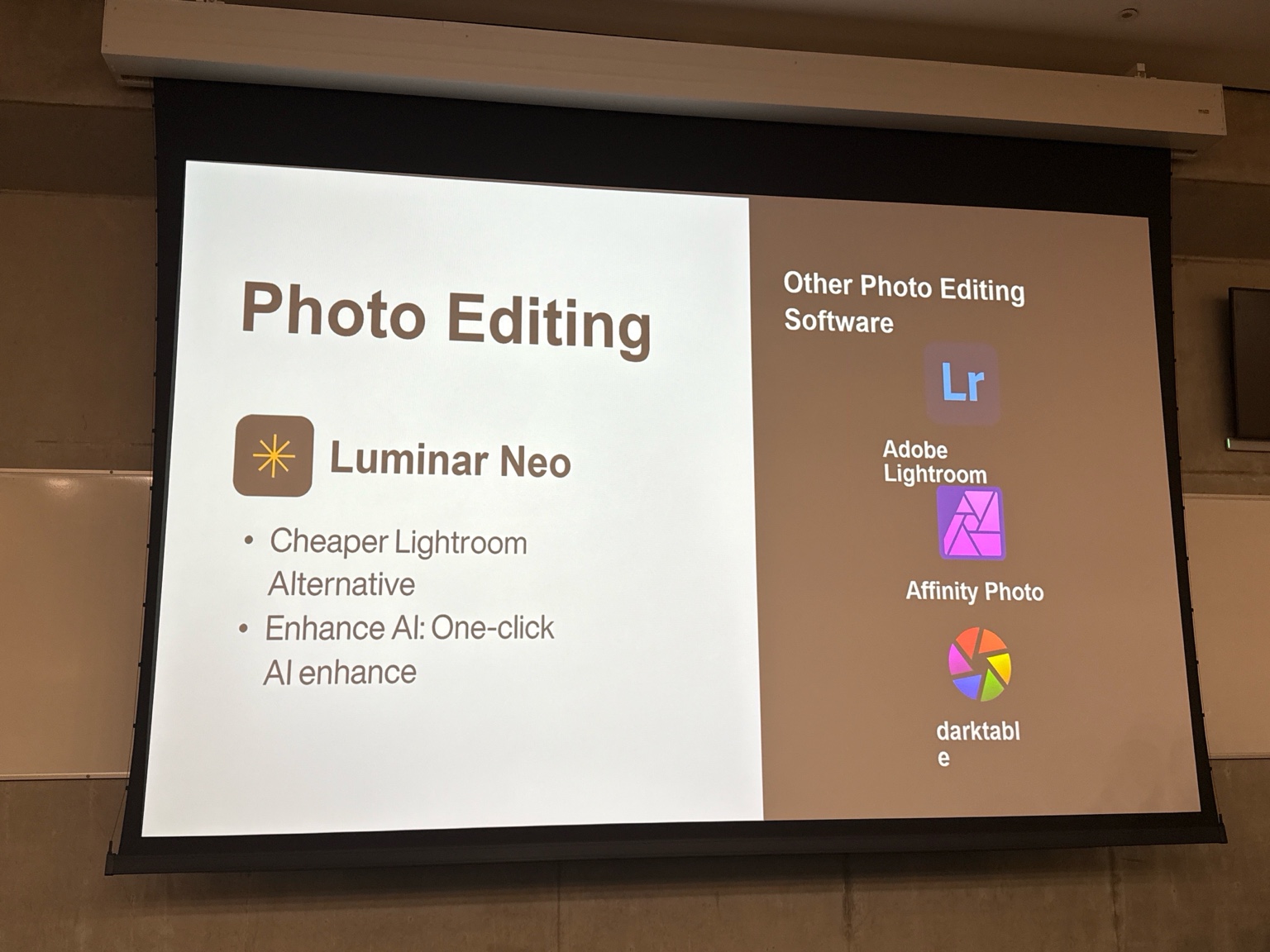
- Photo Editing: Luminar Neo provides advanced color grading, AI enhancements, and is a powerful alternative to Lightroom.
- Backup Workflow: Store raw files in organized folders (by date/location/scene) and keep at least one cloud backup.
- Consistency: Maintain color tone and mood across all shots to create a unified brand look.
For photo editing, Luminar Neo is a great alternative to Lightroom.
Delivering Content to Clients
Your delivery process reflects your professionalism as much as the content itself. Always exceed expectations by delivering clean, organized, and ready-to-publish assets.
Best Practices for Delivery:
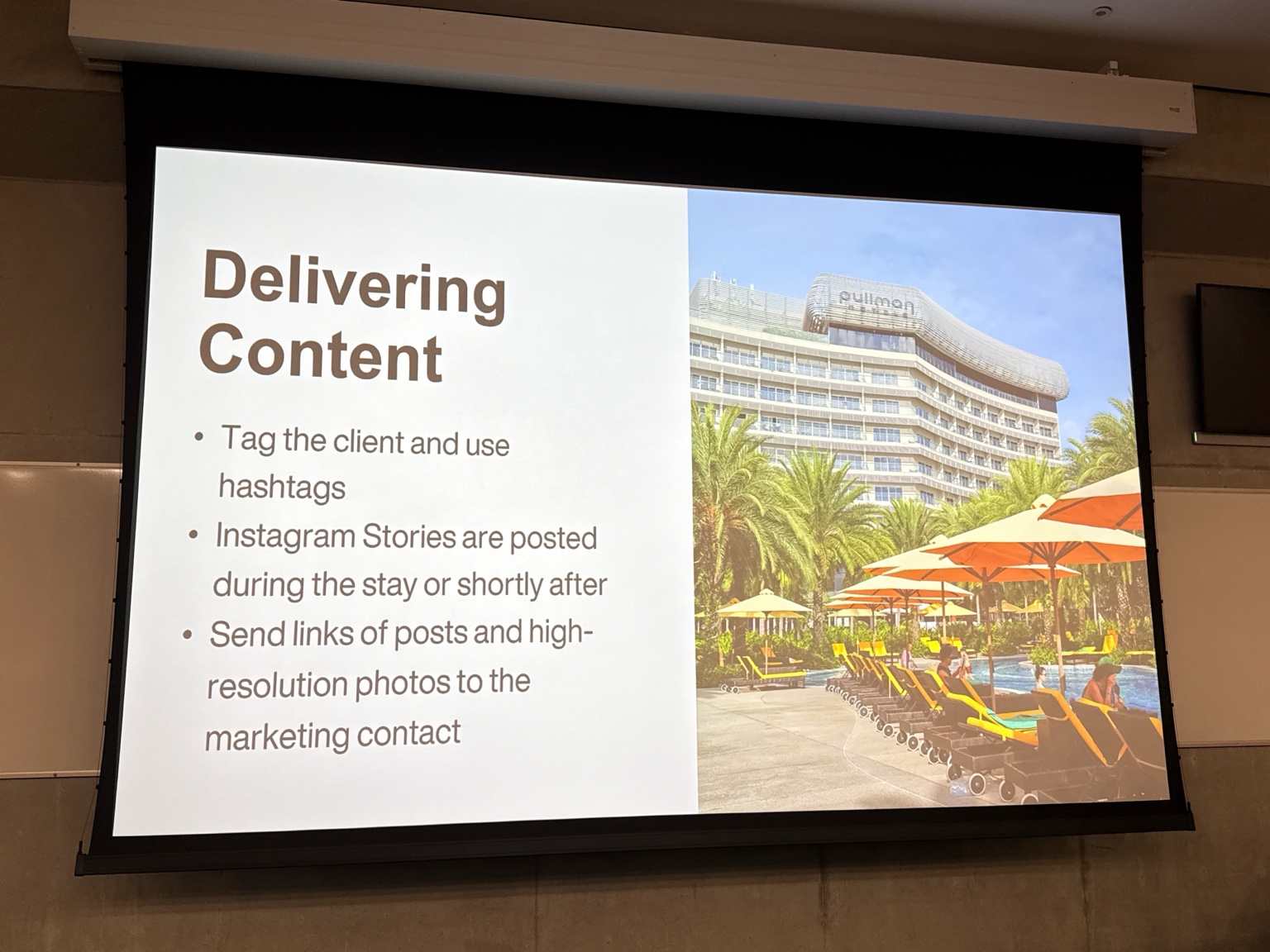
- Tag and Mention: When posting on social media, tag the hotel’s official page and use branded hashtags.
- Timely Sharing: Post stories or reels during your stay or immediately after for real-time engagement.
- Provide High-Resolution Files: Deliver edited photos, raw selections (if agreed), and post links in a single, organized folder.
- Include a Short Report: Summarize what was delivered (number of photos, videos, formats, captions, etc.).
- Follow Up Professionally: A thank-you message or short recap email helps maintain long-term partnerships.
Best Practices for Hotel Content Creation
To elevate your collaborations from transactional to long-term professional relationships, adopt these best practices:
1. Pre-Production Planning
- Research the Brand: Understand the hotel’s target audience, design philosophy, and brand colors. Align your visuals accordingly.
- Request a Brief: Ask for preferred shot angles, must-have content, or any restrictions.
- Scout Locations: Visit key areas at different times of day to note lighting conditions and crowd levels.
- Create a Shot List: Organize your content plan by area rooms, pool, restaurant, spa to ensure full coverage.
2. Professional Etiquette On-Site
- Dress appropriately and maintain a friendly yet professional demeanor with staff.
- Respect guest privacy avoid filming other guests without permission.
- Always ask management before flying a drone or entering restricted areas.
- Be punctual, responsive, and flexible with scheduling requests.
3. Consistency in Style and Storytelling
Hotels often work with multiple creators. Stand out by maintaining a distinctive visual identity consistent color grading, camera movement, and storytelling tone. This makes your work recognizable and memorable.
4. Editing and Post-Production Standards
- Deliver content aligned with the hotel’s brand voice calm, elegant, luxurious, or adventurous.
- Avoid over-saturation or heavy filters that distort the property’s true look.
- Use royalty-free or licensed music that complements the hotel’s mood (relaxing, upbeat, cultural, etc.).
- Keep captions professional and on-brand avoid casual slang or off-topic hashtags.
5. Communication and Feedback
- Provide a draft or preview before final delivery, allowing the client to request small revisions.
- Accept feedback professionally and use it to refine your approach for future collaborations.
- Maintain clear communication about timelines, revisions, and deliverables.
6. Protecting Your Creative Value
As a professional, ensure you have written agreements outlining usage rights, deliverables, and timelines. Clarify whether the hotel can use your content for advertising, print, or social media, and under what terms.
7. Building Long-Term Partnerships
Delivering exceptional results and showing reliability opens doors to repeat work. Send a personalized follow-up email with analytics or engagement results after your content goes live. This helps the hotel measure impact and remember your professionalism for future projects.
Conclusion
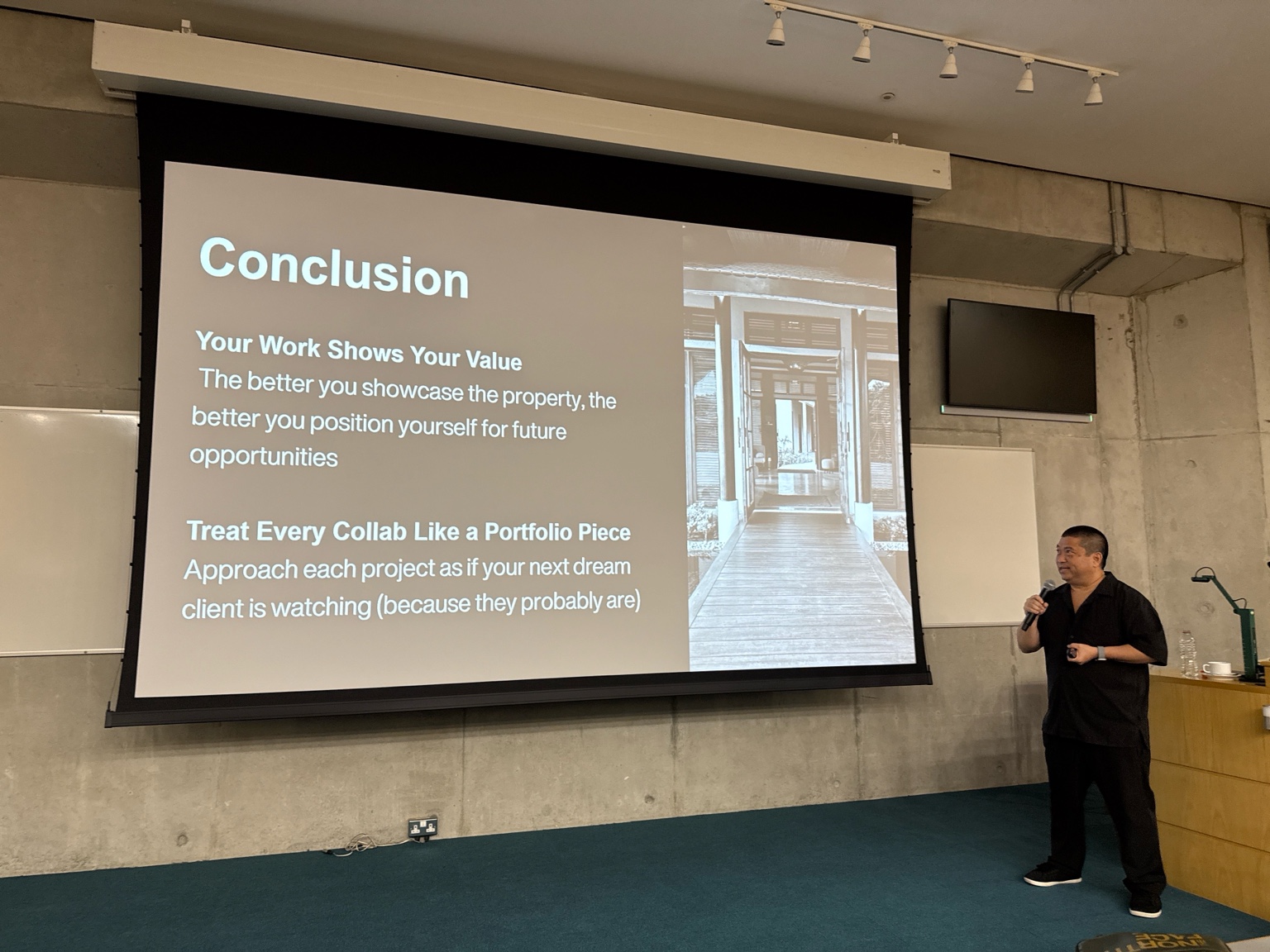
Your work represents your value. Every shot, edit, and delivery contributes to your reputation as a professional creator. The better you showcase the property, the stronger your credibility and the higher your chances of landing premium collaborations.
Always treat every project as though your next dream client is watching because they probably are.
When you consistently combine technical skill, creative storytelling, and professional etiquette, you don’t just capture beautiful hotels you build a brand that hotels trust.
If you found this guide helpful, share it with other travel creators or tag us in your next hotel collaboration post. Let’s continue raising the standard of professional hotel content together.
Special thanks to presenter Todd Hata (Instagram @toddhata) for sharing his expertise at TBEX Donegal.
 Follow my blog with Bloglovin